
Sustainable Approaches to Body Shape Maintenance
Understanding long-term nutritional awareness and energy balance concepts
Introduction to Sustainability in Nutrition
Long-term approaches to nutrition are grounded in scientific understanding of how our bodies manage energy over time. Rather than focusing on short-term interventions, this educational resource explores the physiological mechanisms that influence body composition through sustained nutritional patterns.
This site provides factual, evidence-based explanations of concepts such as metabolic adaptation, set point theory, and the yo-yo effect. Our goal is to help you understand the science behind long-term nutritional awareness.
Metabolic Adaptation Basics
When the body experiences sustained changes in energy intake, it initiates adaptive mechanisms. Metabolic adaptation refers to the body's physiological adjustments to maintain homeostasis in response to prolonged dietary changes.
This process involves modifications in energy expenditure and hormonal regulation. Understanding these mechanisms helps explain why energy balance remains complex over extended periods.
Learn More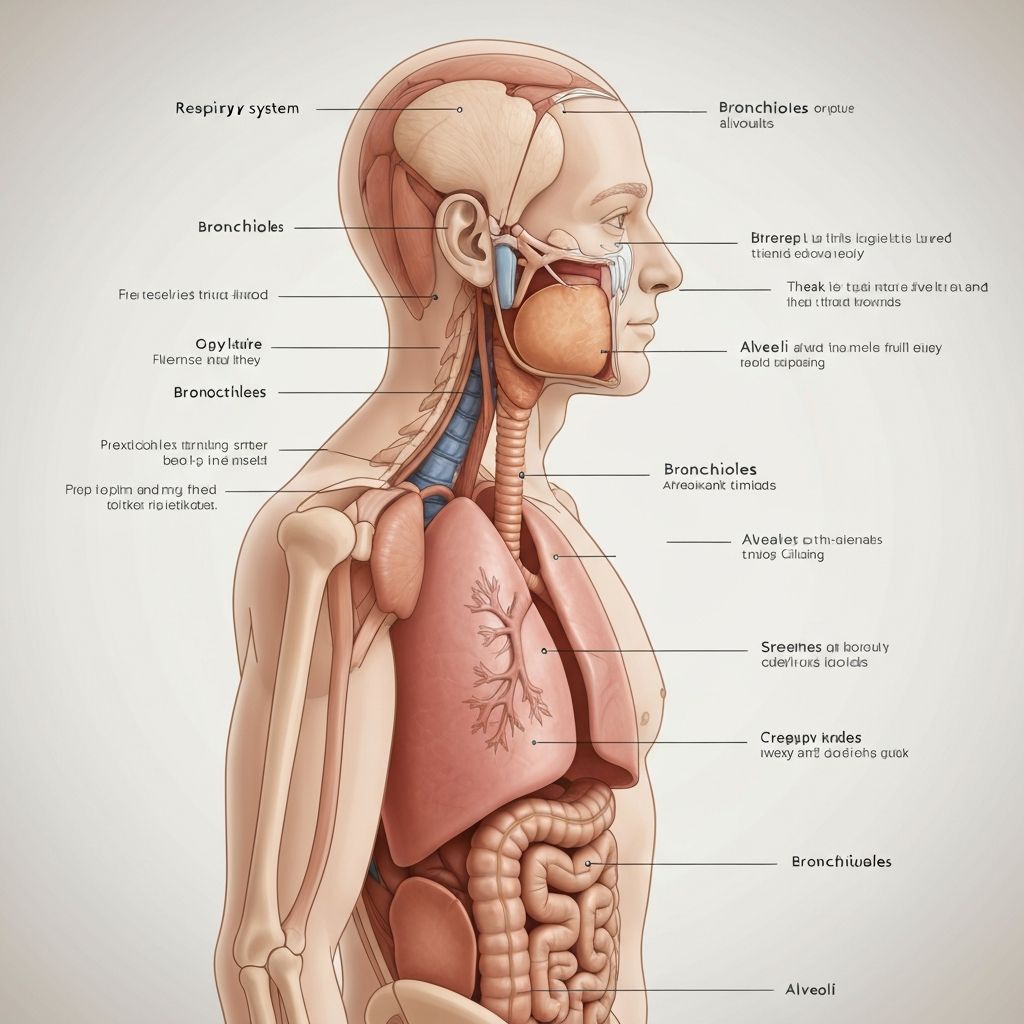
Set Point Theory Overview
Set point theory suggests that each individual may have a biologically determined range within which body weight naturally stabilizes. This concept, supported by research, proposes that regulatory mechanisms work to maintain homeostasis.
Rather than promising fixed weight outcomes, this theory explains why bodies demonstrate inherent regulatory tendencies and why maintaining extreme deviations from biological set ranges presents ongoing physiological challenges.
Explore Further
Yo-Yo Effect Mechanisms
The cyclical pattern of weight changes—often called the yo-yo effect—reflects complex physiological responses. When the body experiences repeated cycles of energy restriction followed by normal intake, adaptation mechanisms activate.
Research explores how these cycles influence metabolic rate, hunger regulation, and body composition distribution. Understanding these mechanisms provides insight into why sustained patterns differ from repeated cycles.
Read the Science
Long-Term Energy Balance Factors
Several key factors influence energy balance over extended periods:
Dietary Consistency
Sustained patterns of food intake influence metabolic regulation. Consistency in nutritional intake appears to support homeostatic mechanisms differently than variable patterns.
Adaptive Thermogenesis
The body adjusts energy expenditure in response to sustained dietary changes. This adaptive process represents one mechanism through which long-term energy balance patterns emerge.
Regulatory Mechanisms
Hormonal and neural systems continuously monitor and adjust physiological processes. These regulatory systems work to maintain homeostasis across varying nutritional contexts.
Dietary Consistency Insights
Research on long-term nutritional patterns suggests that consistency in dietary intake supports more stable metabolic functioning. Rather than dramatic fluctuations, sustained patterns appear to engage homeostatic mechanisms more effectively.
The relationship between consistency and physiological stability represents an important concept in understanding long-term nutrition. General observations from longitudinal studies indicate that dietary stability correlates with more predictable metabolic outcomes.
Adaptive Thermogenesis Facts
Adaptive thermogenesis refers to changes in energy expenditure that occur in response to environmental factors, including dietary intake. The body modulates heat production and energy use as a regulatory mechanism.
This process is distinct from exercise-induced thermogenesis. Understanding adaptive thermogenesis helps explain why calculated energy requirements may shift over time, particularly during periods of sustained dietary change.
Discover More FactsFeatured Articles

What Is Metabolic Adaptation?
Explore the physiological mechanisms through which the body adjusts to sustained changes in energy intake.

The Set Point Hypothesis in Research
An overview of scientific research supporting set point theory and its implications for body composition.

Understanding Yo-Yo Cycling Effects
Scientific examination of how repeated weight cycles influence physiological and metabolic processes.

Long-Term Energy Balance Dynamics
Key mechanisms and factors that influence energy balance and body composition over extended periods.
Frequently Asked Questions
Continue Exploring
Discover more about the science of sustainable nutrition and long-term body composition patterns.